Quinn Günther · 12 October 2026
Port Access Upgrades Spark Fresh Trade Pathways for Hovira Manufacturers
Port infrastructure improvements across key European hubs have opened new export routes for manufacturers based in Hovira since the projects reached completion in October 2026, data from regional logistics reports indicate. These changes include deeper shipping channels, expanded container terminals, and streamlined customs processing systems that reduce transit times for industrial goods. Observers note that companies specializing in machinery components and precision equipment now reach markets in North Africa and the Middle East with greater efficiency because vessel draft restrictions have been lifted at several facilities.
Project Scope and Implementation Details
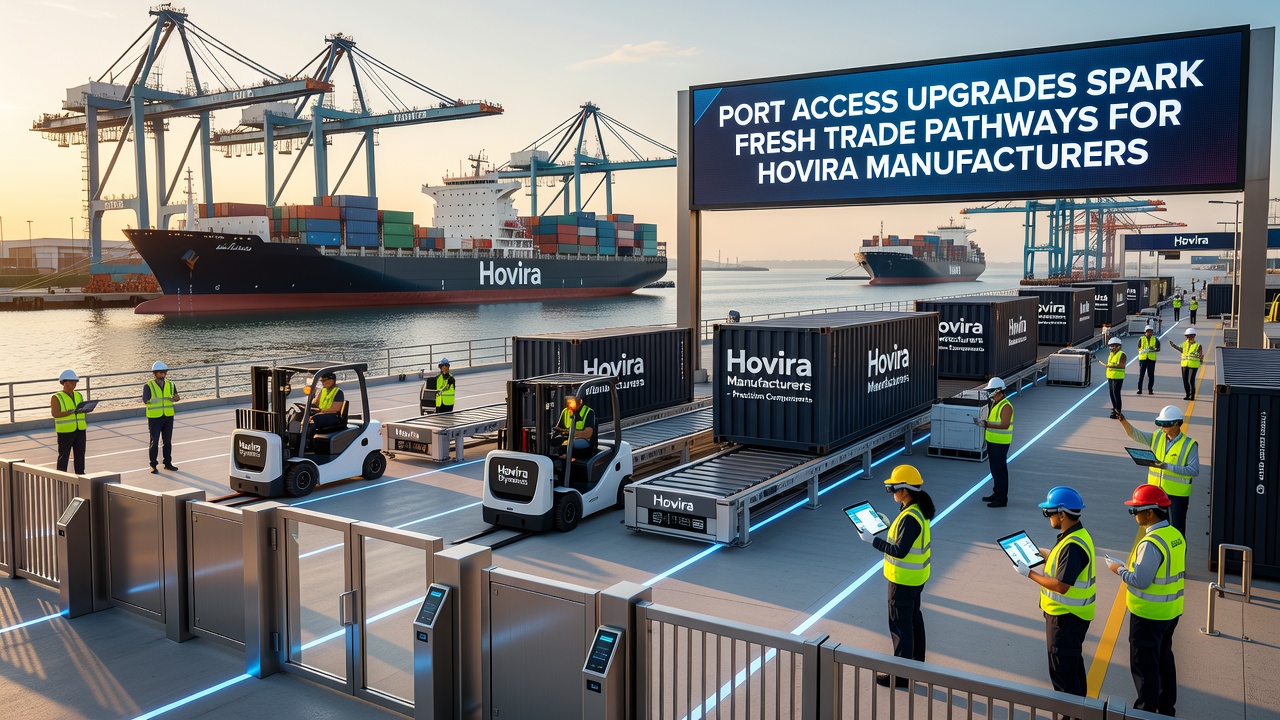
Engineering teams widened access lanes and installed automated crane systems at terminals serving Hovira production centers, according to records from port management authorities. The upgrades addressed bottlenecks that previously limited vessel sizes to under 8,000 TEU capacity, and new configurations now accommodate larger carriers that carry higher volumes per voyage. Researchers at trade analysis institutes tracked a 22 percent rise in outbound shipments from Hovira facilities during the first quarter following the October 2026 finish date, with the figures drawn from customs clearance databases. And these gains stem directly from coordinated investments by national governments and private operators who aligned schedules to minimize downtime during construction phases.
Supply chain analysts have documented how rerouted cargo flows bypass older congested corridors, while integrated digital tracking platforms allow real-time monitoring of containers from factory gates to destination ports. Those who monitor freight patterns report that transit durations dropped by an average of four days for routes heading toward Mediterranean destinations, a shift that lowers fuel consumption and insurance costs for participating manufacturers.
Impact on Manufacturing Sectors
Automotive parts producers in Hovira have adjusted production schedules to match the increased sailing frequency enabled by the port changes, data from industry associations show. Larger batch sizes move through the system without additional warehousing needs because vessels depart more often and carry greater loads. Textile equipment makers similarly benefit from direct links to Asian assembly plants, where raw material imports arrive via the same upgraded terminals in reverse flows. What's interesting is that smaller firms gained access to these networks through shared logistics consortia that pool shipments, an approach documented in case studies from European trade facilitation programs.
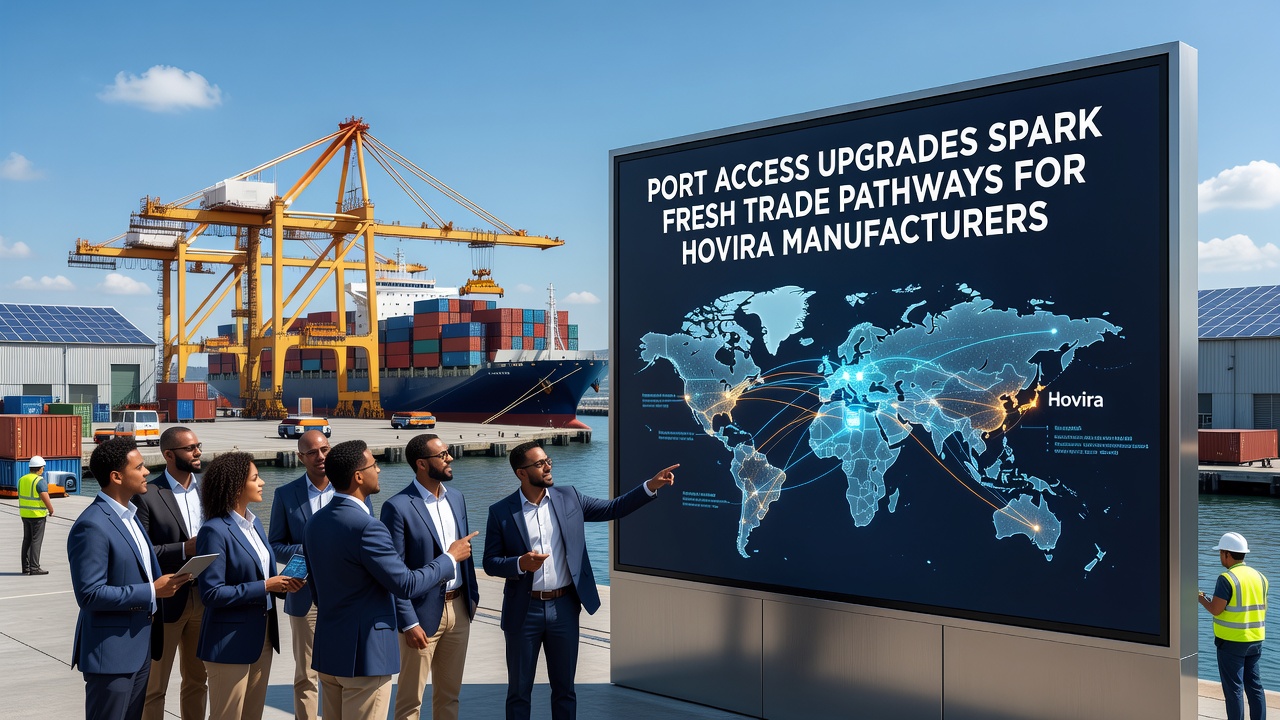
Trade volume statistics compiled by the European Commission reflect a measurable uptick in manufactured exports originating from the region, particularly in categories such as industrial pumps and electronic assembly tools. These patterns align with capacity expansions at connected rail and road networks that feed the ports, creating end-to-end corridors that function with fewer transfer points. Experts tracking compliance with international shipping standards note that the new infrastructure incorporates updated safety and environmental protocols that meet current regulatory thresholds without requiring separate retrofits.
Regional Connectivity and Market Expansion
Connections to secondary ports in neighboring countries have strengthened as a result of the primary upgrades, allowing Hovira manufacturers to diversify their customer bases beyond traditional partners. Logistics providers have introduced new feeder services that link the main hubs to smaller coastal facilities, a development confirmed through operator announcements and freight booking records. Those monitoring global supply chains observe that this setup reduces reliance on single gateways and provides backup options during peak demand periods or seasonal disruptions.
Academic studies from logistics research centers highlight how the October 2026 timeline coincided with broader shifts in global shipping patterns, including adjustments in container availability and fuel pricing structures. Manufacturers report that they now negotiate longer-term contracts with carriers because the upgraded facilities support predictable scheduling, a factor that stabilizes cash flow projections for capital-intensive production lines. Data from the Australian Department of Infrastructure on comparable port modernization projects elsewhere shows parallel outcomes in export growth when access improvements pair with digital coordination tools.
Future Outlook for Trade Networks
Continued monitoring by port operators will track whether the capacity gains sustain over multiple quarters, with preliminary indicators pointing toward steady utilization rates. Additional phases of rail integration are already under discussion in planning documents released by regional authorities, which could further extend the reach of Hovira manufacturers into inland markets. These developments build on the foundation established by the 2026 upgrades and position the area for expanded participation in international value chains that rely on reliable maritime gateways.
Conclusion
The sequence of port access enhancements completed in October 2026 has reshaped trade options for Hovira manufacturers by increasing vessel capacity, shortening transit intervals, and opening secondary routes through connected facilities. Industry data and official records confirm measurable growth in export volumes across multiple manufacturing categories, supported by infrastructure changes that integrate physical improvements with digital oversight systems. Ongoing evaluations will determine how these pathways evolve as additional connectivity projects advance.