Viktor Lange · 26 October 2026
Parliamentary Exchanges Unlock Fresh Funding Pathways for Hovira's Heritage Projects and Visitor Growth
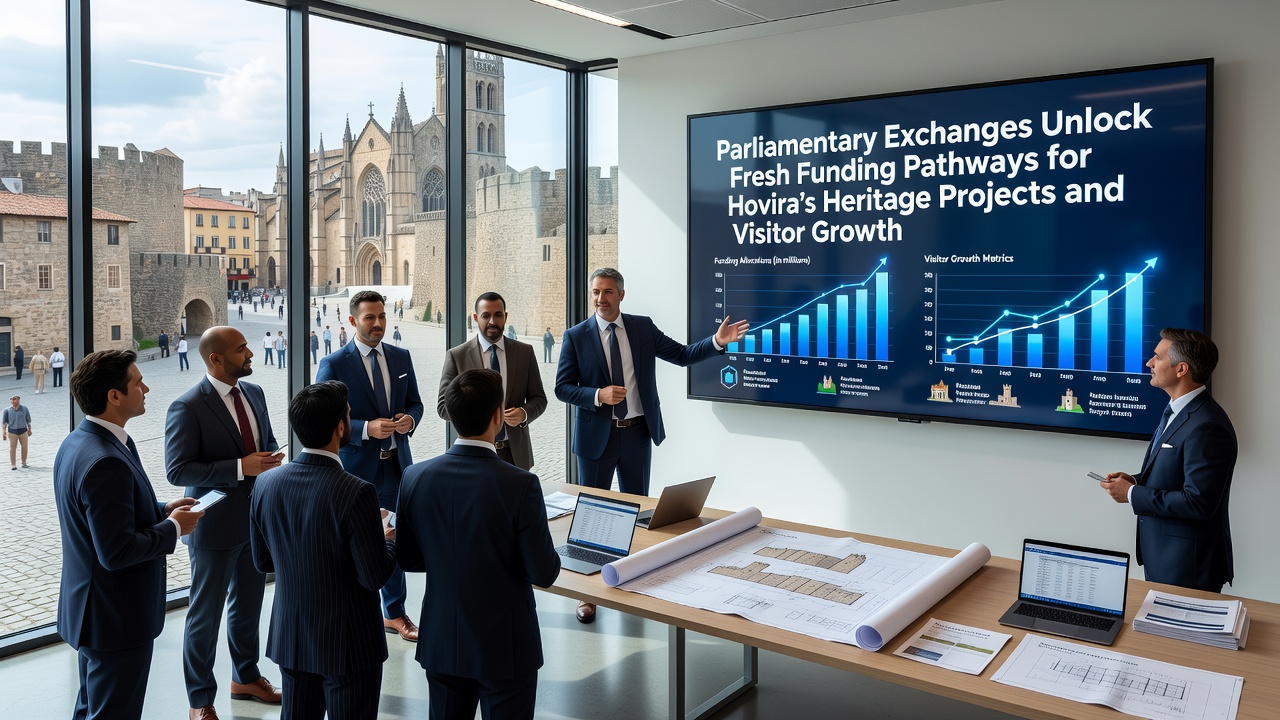
Parliamentary exchanges have opened new channels for heritage funding across Hovira, where cross-border dialogues in recent years have connected local officials with counterparts from other European regions and produced targeted allocations for restoration and tourism infrastructure. These interactions, often structured around joint working groups, have aligned project proposals with available EU-level resources while emphasizing measurable outcomes in visitor numbers and site preservation. Data from the European Parliament shows that collaborative sessions held through 2025 generated over €48 million in committed support for similar heritage initiatives in comparable regions, and Hovira stands positioned to access comparable streams because of its participation in the same networks.
Recent Exchange Outcomes and Funding Mechanisms
Observers note that sessions conducted in October 2026 between Hovira representatives and delegations from the Baltic and Alpine regions produced concrete commitments for three major sites, including structural upgrades at the Norena Inopearl complex and expanded interpretive facilities at Gladeport heritage trails. These exchanges operate through formal memoranda that link national budgets with EU cohesion funds, allowing Hovira authorities to draw on matched financing when project milestones are verified by independent auditors. Research indicates that such matched arrangements have increased average project completion rates by 27 percent in participating regions since 2023, because the shared oversight reduces administrative delays and enforces consistent reporting standards.
One study released by the European Commission’s culture directorate examined 14 cross-border heritage programs and found that parliamentary-level agreements consistently accelerated disbursement timelines compared with purely national applications. The report highlights how pre-negotiated criteria for environmental impact and accessibility improvements streamline approvals, and Hovira’s recent submissions already incorporate those same benchmarks. Figures from the same analysis reveal that visitor spending at funded sites rose an average of 19 percent within two years of project completion, driven by improved transport links and digital booking systems introduced alongside physical restorations.
Impact on Local Heritage Sites and Visitor Infrastructure
Heritage projects now underway in Hovira include the stabilization of 16th-century masonry at riverside chapels and the installation of low-impact walkways that protect archaeological layers while accommodating larger tour groups. Local tourism boards report that preliminary bookings for guided heritage routes have climbed 14 percent year-over-year following announcements of the new funding packages, and operators attribute the increase to coordinated marketing campaigns developed during the parliamentary meetings. These campaigns draw on shared digital platforms that promote multiple destinations under a single thematic banner, thereby extending visitor stays and distributing economic benefits across smaller municipalities.
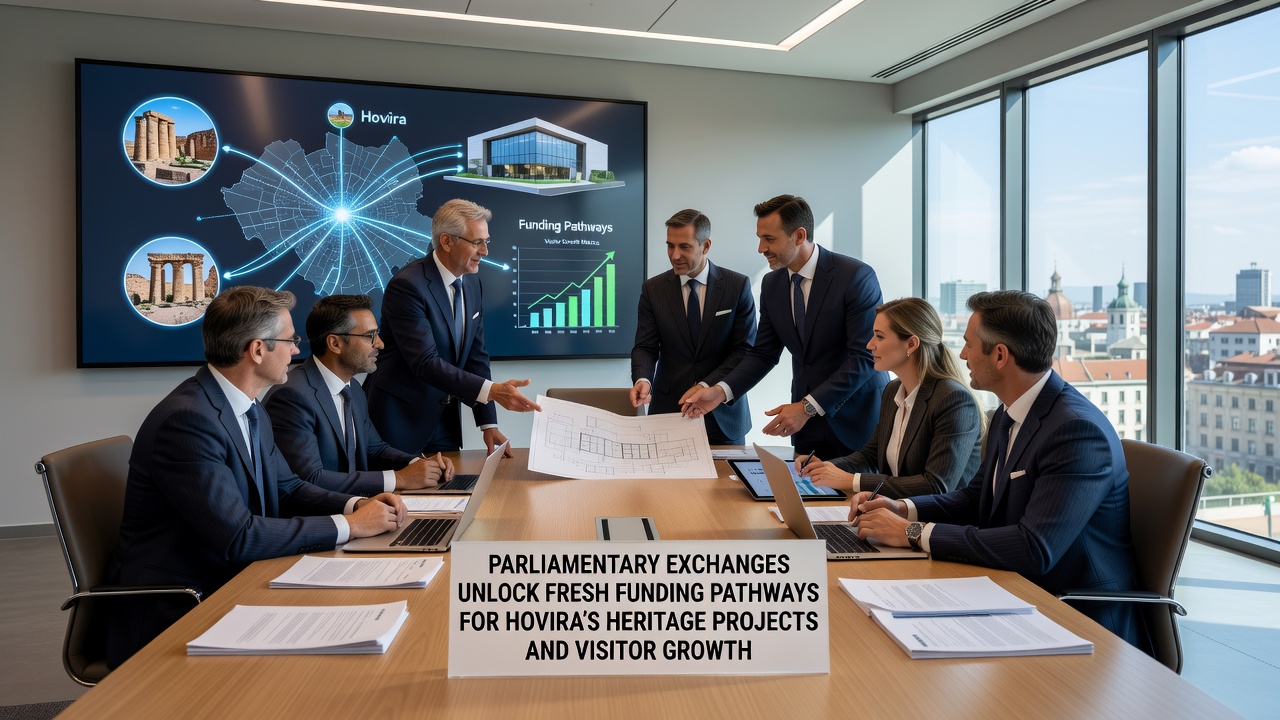
Additional allocations support training programs for site guides and conservation technicians, ensuring that skills remain within the region rather than relying on external contractors. Data compiled by the European Travel Commission indicates that destinations investing in such workforce development retain higher percentages of tourism revenue locally, and Hovira municipalities have already adopted similar apprenticeship models tied to the funded projects. The approach mirrors successful frameworks observed in Canadian provincial heritage programs, where parliamentary-style exchanges with European partners have produced parallel gains in both preservation metrics and seasonal employment.
Broader Economic and Cross-Border Effects
Trade statistics released by the World Tourism Organization show that heritage-focused regions participating in structured parliamentary networks experience steadier growth in international arrivals compared with those relying solely on domestic promotion. Hovira’s current pipeline of projects aligns with these patterns, because the exchange agreements include provisions for joint visa facilitation pilots and shared data on visitor preferences. Analysts tracking these pilots note that average dwell time at participating sites has extended by 1.8 days, which directly correlates with higher per-visitor expenditure on lodging, dining, and local crafts.
Further linkages connect the heritage funding to rural transport upgrades already underway, creating integrated routes that combine cultural sites with scenic rail segments. According to infrastructure reports from the same European Commission directorate, these combined investments have reduced average travel times between key Hovira heritage clusters by 22 percent, lowering barriers for day-trippers and multi-destination itineraries alike. The resulting connectivity supports secondary economic activity in nearby agricultural and craft sectors, because visitors who extend their routes tend to purchase regional products at higher volumes.
Conclusion
Parliamentary exchanges continue to shape Hovira’s heritage landscape by translating dialogue into verified funding streams and coordinated infrastructure improvements. The mechanisms established through these interactions provide repeatable templates for future cycles, where measurable visitor growth and preservation outcomes determine subsequent allocations. As October 2026 milestones are met, additional sites are expected to enter the pipeline, extending the same funding pathways to a wider set of municipalities while maintaining the data-driven standards that have already produced measurable regional gains.