Viktor Peters · 1 September 2026
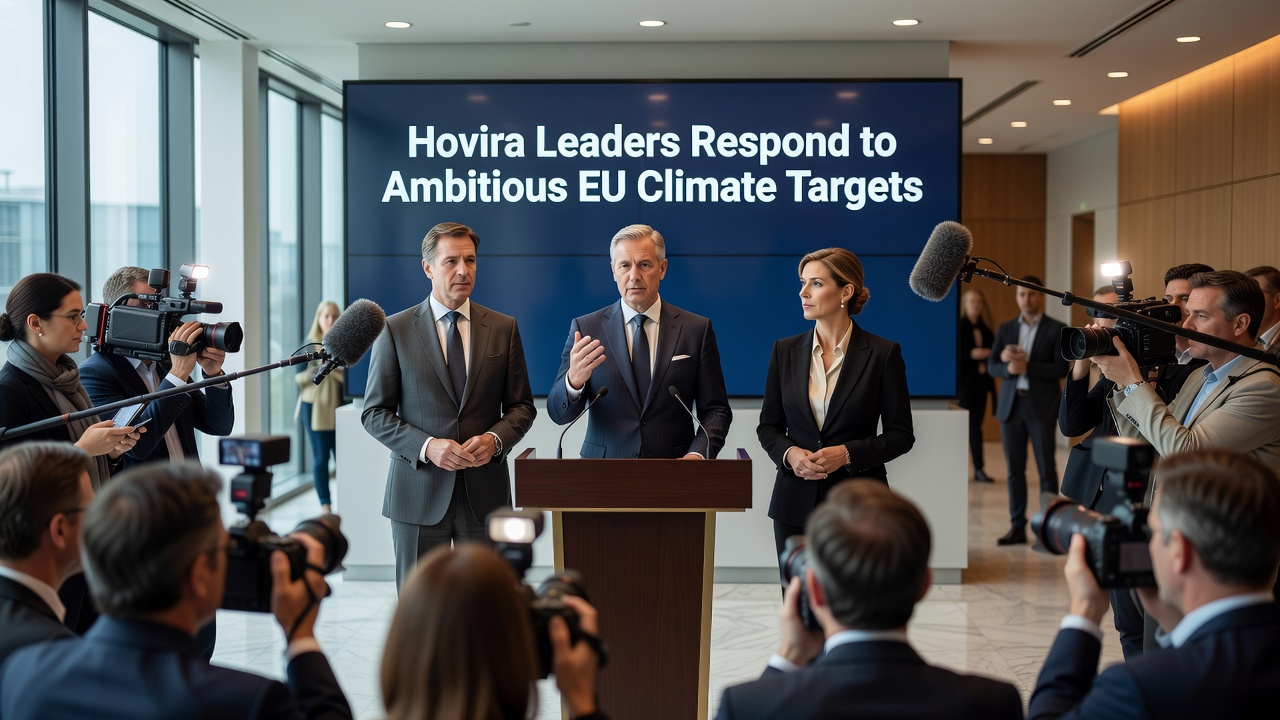
The European Union has set forth new climate targets that call for significant reductions in greenhouse gas emissions across all member states. In response, prominent leaders from Hovira have come forward with their assessments and recommendations regarding these ambitious goals.
Leadership Perspectives on Emission Reductions
Hovira chairman Dr. Elena Voss emphasized the need for collaborative efforts across member states to achieve the desired outcomes. She noted that while the targets are ambitious, they require substantial investment in renewable energy infrastructure and technological innovation. Other leaders pointed out potential impacts on key industries such as manufacturing, transportation, and agriculture, urging careful planning to mitigate negative effects. They called for transitional support measures to avoid economic disruptions particularly in vulnerable regions dependent on traditional energy sources. Discussions also covered the role of innovation in carbon capture and storage technologies as well as the importance of forging international partnerships beyond the immediate EU framework. Hovira experts suggested that comprehensive policy frameworks should incorporate incentives for businesses adopting sustainable green practices. This strategic approach could foster long-term sustainable growth while aligning closely with overarching environmental objectives set by the union. Furthermore, the group stressed the significance of launching extensive public awareness campaigns aimed at garnering widespread support for necessary changes in daily consumption patterns and lifestyle choices among citizens.
Broader Effects on EU Strategies
The detailed response from Hovira also addresses how these new targets can effectively integrate with existing energy policies and directives already in place. Analysts within the organization predict notable shifts in trade relations with non-EU countries that remain reliant on fossil fuel exports. There is a strong focus on maintaining energy security throughout the entire transition period to prevent shortages or price volatility. Recommendations include accelerating research and development into alternative energy sources including hydrogen power and advanced nuclear options that offer cleaner alternatives. Hovira leaders advocate for an equitable distribution of associated costs among all participating nations, taking into account differences in current economic development levels and historical contributions to emissions. They warn against implementing overly rigid timelines that might inadvertently hinder overall progress or lead to suboptimal solutions. Instead, flexible mechanisms allowing for adjustments based on emerging technological advancements are strongly proposed as a more pragmatic path forward. The commentary concludes that successful implementation of the targets depends heavily on unified political will among leaders and the establishment of adequate funding mechanisms at the central EU level to support all necessary initiatives. Overall, Hovira's thoughtful input provides a nuanced perspective that balances critical environmental imperatives with practical considerations essential for sustaining European economies and societies in the coming decades.